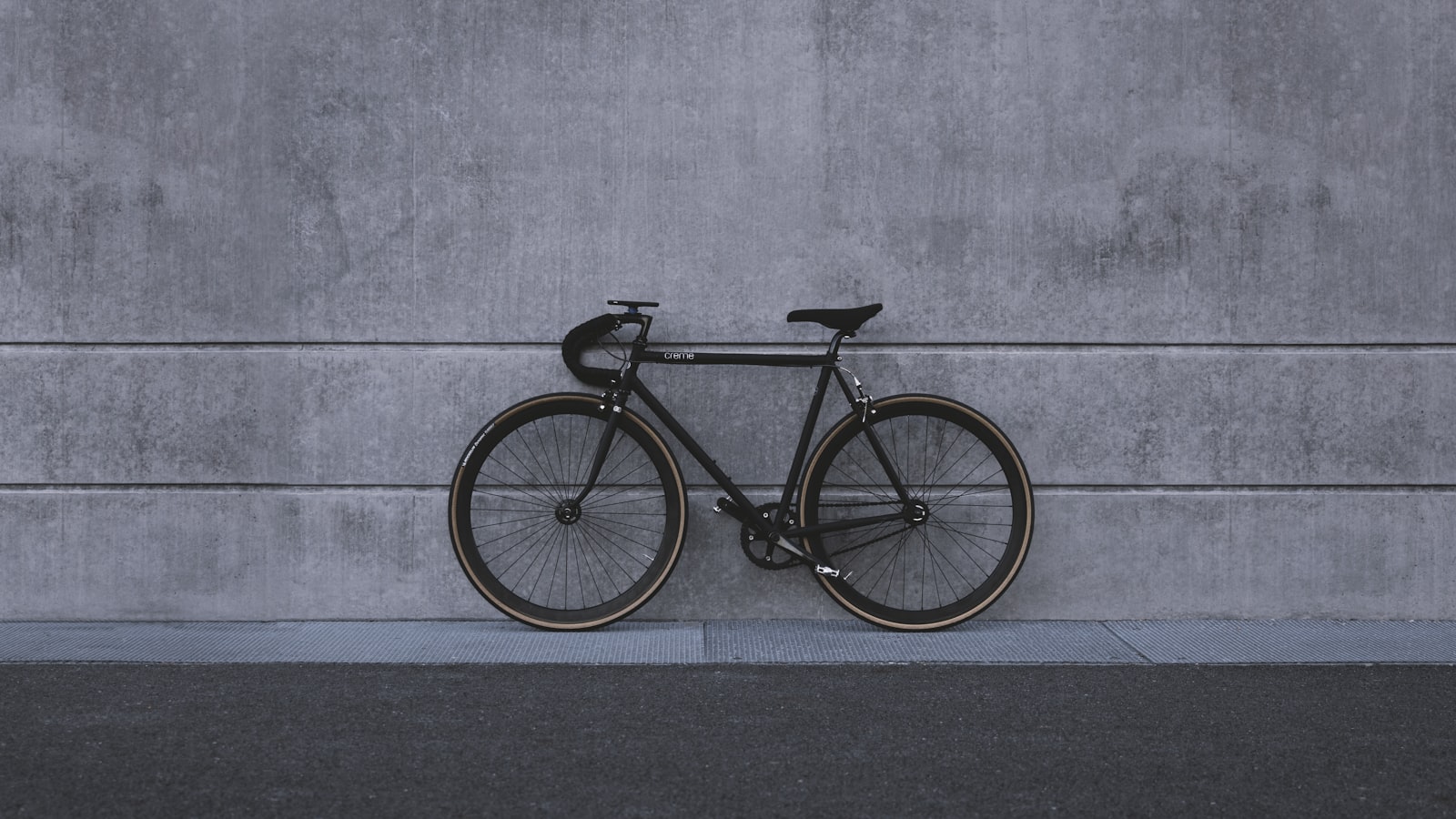
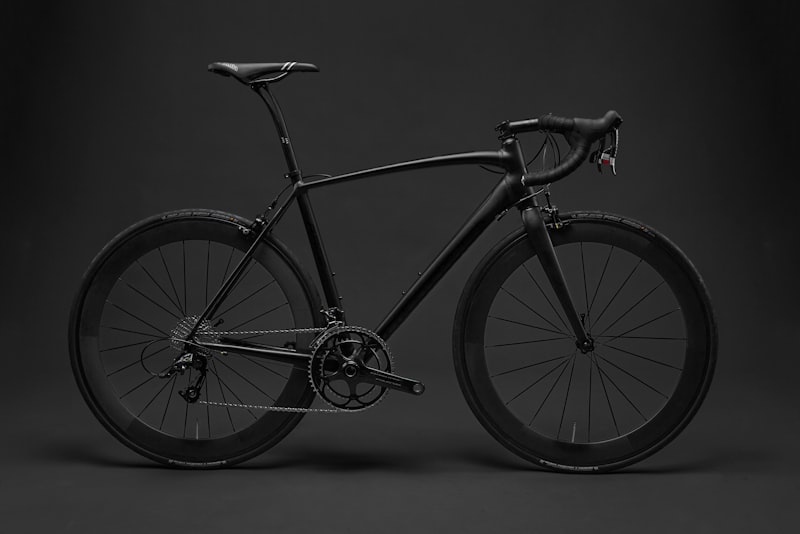
There is a particular thrill to the first ride on a set of carbon wheels. The bike feels quicker to react, the freehub sings a different tune, and every small acceleration seems to arrive with less argument. But carbon wheels are also one of the easiest places to overspend and end up with something that does not actually suit your riding. This guide is here to help you spend that money once and spend it well.
Why carbon, and why now#
Before we talk about specifications, it is worth being honest about what a carbon wheelset actually gives you. The headline benefits are aerodynamics and, in some cases, weight. A deeper rim slips through the air more cleanly than a shallow box-section aluminium wheel, and a good carbon layup can hold that shape while shaving grams. There is also a stiffness and responsiveness story, though it is more subtle than marketing copy suggests.
What carbon will not do is turn an average rider into a fast one. If you are new to the sport, tyres, fit, and fitness will all give you more return than a wheel upgrade. But if you already ride regularly, your current wheels are heavy or flexy, and you have the budget, this is a genuinely satisfying upgrade that you will feel on every ride.
A few honest caveats up front:
- Carbon braking surfaces on rim-brake wheels are far more temperament-dependent than disc setups. If you are on disc brakes, ignore this entirely and enjoy the freedom.
- Carbon rims can be repaired, but a hard enough impact can still crack them. Insurance and care matter more than with alloy.
- The cheapest carbon is not always a bargain. A poorly made rim can be heavier, weaker, and less true than a good aluminium one.
Rim depth: the first real decision#
Rim depth is the number everyone fixates on, and for good reason. It shapes how the wheel behaves more than almost anything else.
Shallow (roughly 30 to 40mm)#
These are the friendly all-rounders. They are light, climb well, and are far less bothered by crosswinds. If you ride in hilly terrain, in windy coastal areas, or you simply want a wheel that never surprises you, this is the safest first purchase. The aero penalty compared to a deeper rim is real but modest at the speeds most of us actually ride.
Mid-depth (roughly 45 to 55mm)#
This is the sweet spot for a first carbon wheelset, and the depth I steer most people toward. You get a meaningful aerodynamic benefit on the flats and rolling roads, the weight is still reasonable for climbing, and modern rim profiles have become impressively stable in gusty conditions. A well-designed 50mm rim today handles wind far better than a 50mm rim from a decade ago.
Deep (60mm and beyond)#
Deep sections are fast in a straight line and glorious on a time-trial course or a flat road with a tailwind. They are also the most affected by crosswinds, which can feel unsettling if you are not used to it, and they carry a weight penalty on climbs. Unless you have a specific reason, I would not make your first carbon wheels this deep.
The trade-off in one sentence: deeper rims buy you aerodynamics at the cost of weight and crosswind stability, and for a first set the middle ground almost always wins.
Rim width matters more than people think#
For years everyone obsessed over depth and ignored width. That has changed, and rightly so. Rim width, both internal and external, determines how your tyre sits and therefore how the whole system rolls, corners, and cushions you.
The key principle is to match your rim width to your tyre size. A wider internal rim width supports a wider tyre in a rounder, more stable profile, which improves grip and comfort and can actually reduce rolling resistance. A narrow rim paired with a fat tyre creates a lightbulb shape that handles vaguely and wears oddly.
As a rough guide for modern road riding:
- If you run 28mm tyres, look for an internal rim width around 21 to 23mm.
- If you run 30mm or wider, favour the upper end of that range or beyond.
- Check the manufacturer's recommended tyre range and stay inside it.
External width matters for aerodynamics, because the rim and tyre need to form a smooth continuous shape. This is why so many good wheels are now noticeably wider than the tyres they are designed around. Do not fight this trend; embrace it, because it is one of the genuine advances of the last decade.
Weight, and why it is overrated#
Weight is the specification riders love to compare, and it is the one I would tell you to worry about least, within reason.
Yes, lighter wheels accelerate a touch more eagerly and feel livelier when you pick up the pace. But the difference between a good mid-weight wheelset and a boutique lightweight one is often a matter of a couple of hundred grams, and you will feel that far less than you expect once you are actually riding. Chasing the lowest possible weight usually means paying a steep premium and sometimes accepting a fragile rim or a lower rider weight limit.
Where weight genuinely counts:
- Rotating weight at the rim is felt more than static weight, so rim weight matters slightly more than hub weight.
- If you are a dedicated climber racing up long passes, a lighter shallow wheel is a reasonable priority.
- For everyone else, a sensible weight paired with good build quality beats a featherweight wheel that needs babying.
Do not let a 100-gram difference on a spec sheet override the more important questions below.
Hubs and bearings: the part that lasts#
Here is the advice that separates a wheelset you love for years from one that frustrates you. Hub quality and bearing quality matter more than the headline rim weight. The rim gets the attention, but the hub is the part you will actually maintain, and a poor one will sour the whole experience.
Good hubs give you:
- Reliable, serviceable bearings that you or a shop can replace without exotic tools.
- A freehub mechanism that engages cleanly and survives wet-weather riding.
- Straightforward availability of spare parts and the correct freehub body for your drivetrain.
I would happily take a slightly heavier wheel with a well-regarded hub over a lighter one built on an anonymous hub with no spare-parts support. When a mystery bearing fails two winters in, you will understand why. Ask specifically what bearings the wheel uses and whether replacements are easy to source in your region.
Spoke count and lacing matter too, though they are less glamorous. A sensible spoke count for your weight and riding style gives durability and easy repair; an ultra-low spoke count looks fast but can be unforgiving if you damage one out on a ride.
Tubeless-ready, tubes, and the brake question#
Two practical points that will shape your long-term happiness.
Buy tubeless-ready rims even if you do not run tubeless yet. Tubeless-ready rims are perfectly happy with inner tubes, so you lose nothing, but they keep the door open to going tubeless later. Given how much of modern road riding is moving that way, buying a rim that cannot accept sealant would be a needless restriction on your future self. This is one of the few upgrades where planning ahead costs you nothing today.
On brakes, be clear about your bike before you shop:
- Disc brake riders have the easiest path. The rim never touches a pad, so braking performance and heat are non-issues, and you can choose purely on rim shape and hub quality.
- Rim brake riders must respect the carbon braking surface. Use the pads the manufacturer specifies, expect different feel in the wet, and be mindful on long descents where heat builds up. It is manageable, but it is a real consideration.
Setting a budget and buying smart#
Carbon wheels span an enormous price range, and price does not map perfectly to quality. Some direct-to-consumer brands offer genuinely excellent wheels at accessible prices by skipping the traditional retail markup, while some premium names charge partly for the badge.
A sensible approach:
- Decide your realistic budget first, then find the best hub and build within it rather than stretching for a name.
- Read about warranty terms, crash-replacement policies, and rider weight limits, which vary a lot.
- Prefer a brand that will still exist and still stock spares in a few years.
- If buying used, inspect the braking surface and rim bed carefully and be wary of any repair history you cannot verify.
Resist the urge to buy the deepest, lightest, most exotic option you can afford. The best first carbon wheelset is usually the sensible mid-depth, tubeless-ready, well-hubbed one that suits the roads outside your door.
The short version#
If you take nothing else away, remember this. Choose a mid-depth rim for versatility, match the rim width to the tyres you actually ride, and prioritise a serviceable hub over a slightly lower weight on the spec sheet. Buy tubeless-ready so you keep your options open, and pick a brand that will support you long after the purchase. Do that, and your first carbon wheels will not just look fast in the workstand. They will make you grin every time you roll out of the driveway, which is, after all, the entire point.