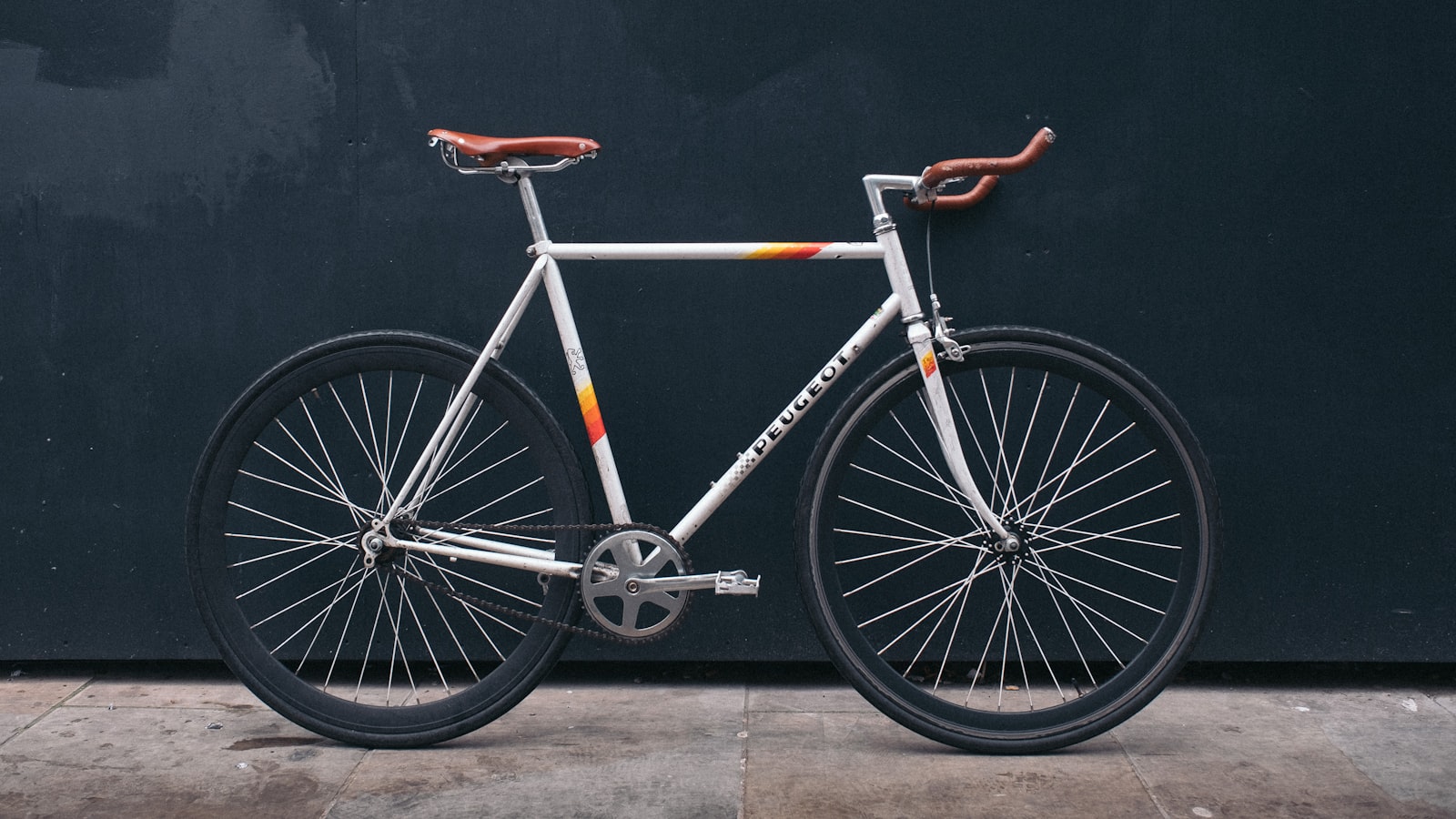
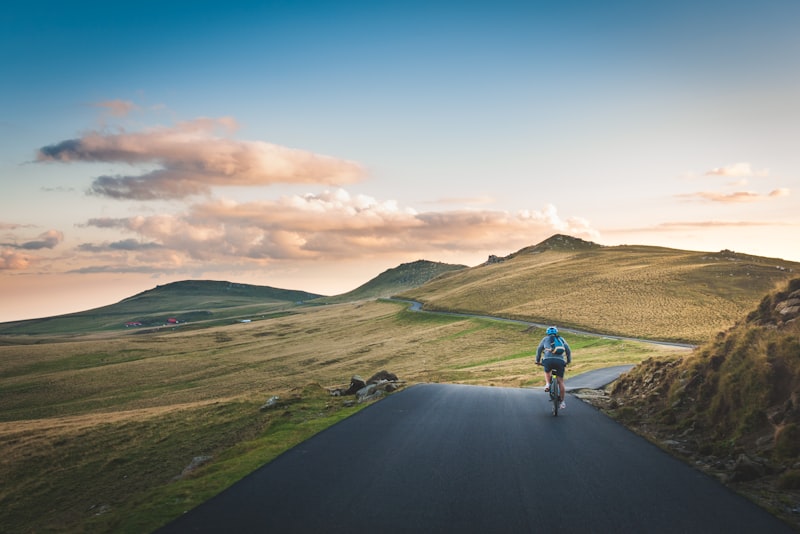
The first century I ever rode fell apart somewhere around mile 74, on a nothing-special climb I would have shrugged off two hours earlier. I hadn't eaten enough, I'd gone out too hard with a fast group, and my back was screaming from a saddle position I'd never tested past 50 miles. I finished, but it wasn't pretty. The good news is that everything that went wrong that day is fixable in training, and none of it requires you to be fast. A century is an endurance project you assemble over weeks, not a heroic effort you summon on the day.
Give Yourself Enough Runway#
The single most common mistake I see is squeezing century prep into too few weeks. If you can already ride comfortably for two to three hours, you want roughly 8 to 12 weeks of focused build-up. If your current long ride is closer to an hour, give yourself more.
The reason is not fitness alone. Your body needs time to adapt the unglamorous tissues: the tendons in your knees, the muscles that hold your neck up over the bars, the skin and soft tissue where you meet the saddle. Cardiovascular fitness responds quickly; connective tissue and saddle tolerance do not. Rushing the timeline is how you arrive at the start line either injured or with a contact-point problem you never got a chance to solve.
A realistic weekly structure for most working adults looks like this:
- One long ride that grows over time (the centrepiece)
- One or two shorter rides during the week to keep the engine ticking over
- At least one full rest day, and honestly two is fine
You do not need to ride five days a week. Three quality rides with real recovery between them beats six rushed, tired ones.
Build the Long Ride Gradually#
Your long ride is where century fitness actually gets made. The principle is simple: extend it progressively, then back off before you push again.
A pattern that has worked for nearly every rider I've coached through a first hundred:
- Increase your long ride distance by roughly 10 percent most weeks.
- Every third or fourth week, cut it back sharply to let your body absorb the work.
- Repeat, so the peaks climb even as you take regular steps down.
So you might go 40, 45, 50 miles, then drop to 35, then climb again to 55, 62, 70, ease off, and so on. You do not need to ride the full 100 in training. If your longest ride reaches somewhere between 75 and 85 miles, race-day adrenaline, tapering, and event support will carry you the rest of the way. Riding a full century three weeks out often does more harm than good because the recovery cost is high.
Time on the bike matters more than the number#
Don't fixate purely on miles. A hilly 60-mile ride can be more demanding than a flat 75. What you are really training is hours in the saddle and the ability to keep producing steady, moderate effort when you're tired. If your event is hilly, your long rides should be too.
Learn to Fuel While Moving#
Undereating is what turns a great day into a death march, and it got me at mile 74. The classic mistake is treating food as something you grab when you feel hungry. On a long ride, by the time you feel hungry you are already behind, and it is very hard to claw that deficit back while pedalling.
The habit to build is eating early and often, on a schedule, before you need it:
- Start taking in carbohydrate within the first 45 to 60 minutes, not when you flag.
- Aim for a steady intake every 20 to 30 minutes rather than one big stop.
- Keep drinking consistently; thirst also lags behind need, especially in heat.
Exactly how much you need varies with your size and intensity, so I won't hand you a precise gram figure to obey blindly. The point is to experiment in training until you find an intake you can sustain without a churning stomach.
Test your gut, not just your legs#
Your digestive system is trainable, and it is also fussy. Energy gels, chews, real food like bananas and rice cakes, or a sports drink all work for different people, and some combinations that look fine on paper will leave you bloated and miserable.
Rehearse your exact race-day nutrition on your long rides. Use the same products, in the same amounts, at the same intervals. Event day is the worst possible time to discover that a particular gel disagrees with you 60 miles from home.
Pace It Like It's Long, Because It Is#
New century riders almost universally start too fast. The first 30 miles feel effortless, the group is buzzing, and it is genuinely hard to hold back. Then the bill comes due in the last quarter.
A few practical anchors:
- The effort should feel conversational for at least the first two-thirds. If you can't comfortably speak in full sentences early on, you're overcooking it.
- Think in terms of negative splitting where you can: leave enough in reserve to ride the final 20 miles as strongly as the first 20.
- Be disciplined about not chasing every faster rider or group that comes past. Their day is not your day.
If you train with a power meter or heart rate monitor, use your long rides to learn what a sustainable all-day number actually feels like, then hold yourself to it early even when it feels too easy. That discipline is the difference between finishing strong and limping in.
Rehearse Everything Else#
Endurance is the headline, but first centuries are often derailed by boring logistics. The fix is to treat your longest training rides as full dress rehearsals.
Things to test and dial in well before the event:
- Saddle and position. A setup that's fine for an hour can become unbearable at four. Sort out any hotspots, numbness, or lower-back pain in training, not on the day.
- Clothing and chamois. Long rides expose seams, poor-fitting shorts, and chafing. Find your reliable kit and a chamois cream that works for you.
- Bike reliability. Fresh-ish tyres, a checked drivetrain, and brakes that work. Carry what you'd need to fix a flat, and actually know how to use it.
- On-bike storage. Know where your food, spares, and phone live so you're not fishing around at speed.
Do a couple of rides in whatever weather you might realistically face. Discovering that your only jacket flaps like a sail or that your gloves soak through is far better done on a Tuesday than mid-event.
Respect Recovery and the Taper#
The training doesn't make you stronger; recovering from the training does. Riders who never take their easy weeks or rest days tend to plateau, get niggling injuries, or arrive at the event flat and stale.
In practical terms:
- Keep your easy rides genuinely easy. The temptation to turn every ride into a hard one is real and counterproductive.
- Prioritise sleep in the heavy weeks. It's the most powerful recovery tool you have and it's free.
- In the final 1 to 2 weeks, cut your volume back meaningfully while keeping a little intensity so you don't feel sluggish. You should arrive rested, slightly restless, and ready.
A good taper feels almost like slacking off. Trust it. The fitness is already banked; the taper just lets it surface.
The Week Of, and the Day Itself#
By the final week the hard work is done. Resist the urge to cram in one more big ride to reassure yourself. All it can do now is tire you out.
A simple checklist for the last few days:
- Eat normally and well; keep hydrated in the day or two before.
- Lay out and check your kit and bike the night before so the morning is calm.
- Eat a familiar breakfast you've tested, and start fuelling early on the bike as you've practised.
- Start slower than feels natural and let the day come to you.
Final Thoughts#
A century is within reach of far more riders than believe it. You don't need to be fast, young, or built like a climber. You need enough weeks, a long ride that grows sensibly, a fuelling routine you've rehearsed until it's automatic, and the discipline to start easy. Do that, and mile 74 becomes just another mile on the way to the finish rather than the place your day comes apart. Build the habits patiently and the distance will look after itself.