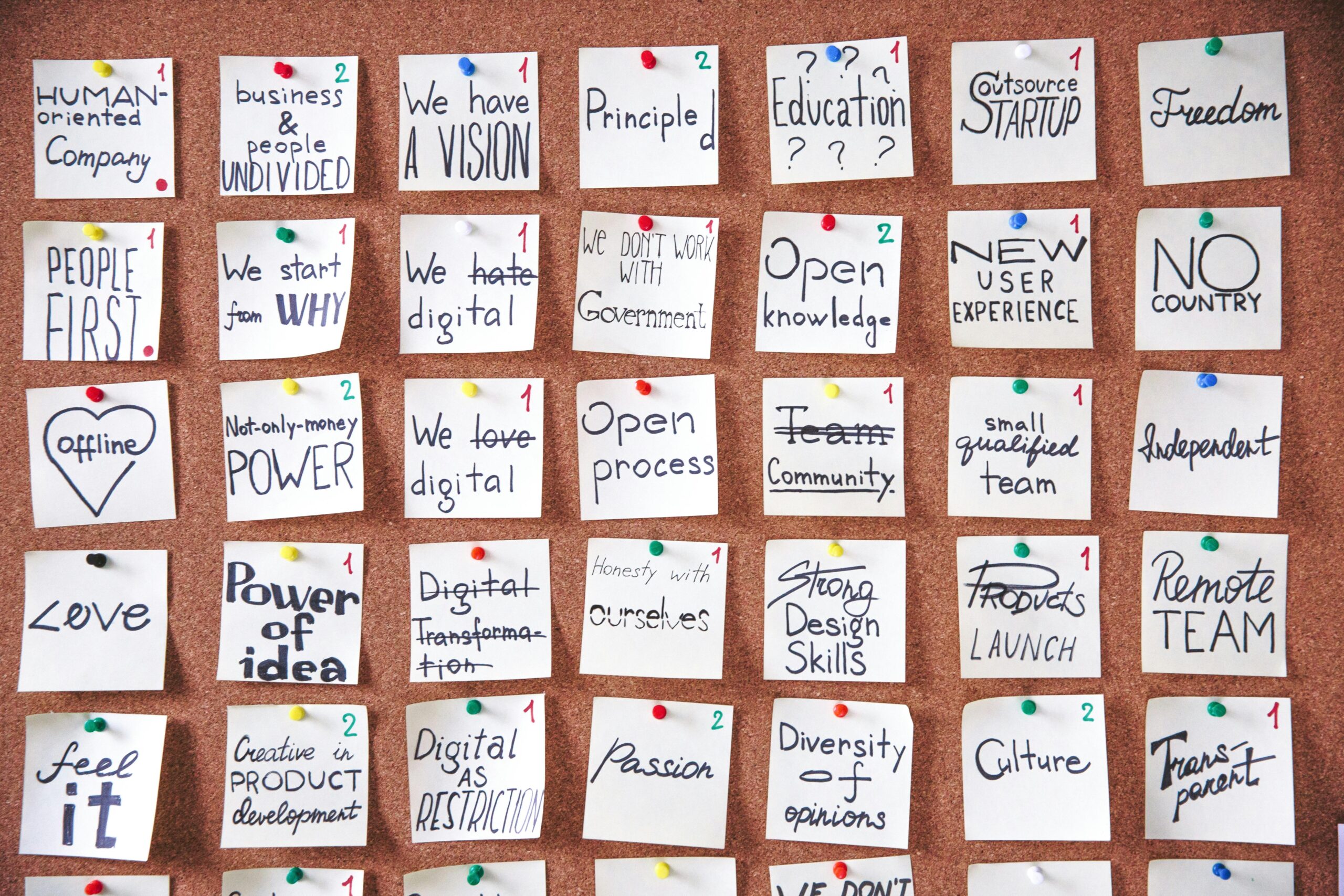
Language is more than communication—it’s the soul of a culture, carrying centuries of wisdom, identity, and collective memory through generations.

In our rapidly globalizing world, where dominant languages spread across continents through digital platforms and international commerce, thousands of linguistic traditions face the threat of extinction. Every two weeks, a language disappears, taking with it unique ways of understanding reality, traditional knowledge systems, and irreplaceable cultural expressions. This alarming rate of linguistic erosion demands urgent attention to the preservation of our linguistic roots and the continuity of heritage languages that define who we are as diverse human communities.
The urgency of this issue extends beyond academic or sentimental concerns. When languages vanish, we lose entire frameworks for understanding the world—specialized vocabulary for environmental phenomena, traditional medicinal knowledge, oral histories, and philosophical concepts that cannot be adequately translated. The preservation of linguistic heritage represents a fundamental human rights issue, touching upon dignity, identity, and the right of communities to maintain their cultural distinctiveness in an increasingly homogenized world.
🌍 Understanding Linguistic Heritage and Its Foundations
Linguistic heritage encompasses far more than vocabulary and grammar rules. It includes the complete ecosystem of a language: idioms, proverbs, storytelling traditions, naming conventions, humor, poetry, songs, and the subtle nuances that native speakers intuitively understand but outsiders struggle to grasp. Each language embodies a unique cognitive framework—a distinctive way of categorizing experience, expressing relationships, and conceptualizing abstract ideas.
Consider how different languages structure time, space, and social relationships. Some languages have no future tense, encouraging speakers to conceptualize future events differently. Others have elaborate kinship terminology that precisely defines family relationships that other languages group together imprecisely. These linguistic features shape thought patterns and worldviews in profound ways that cognitive scientists are only beginning to understand.
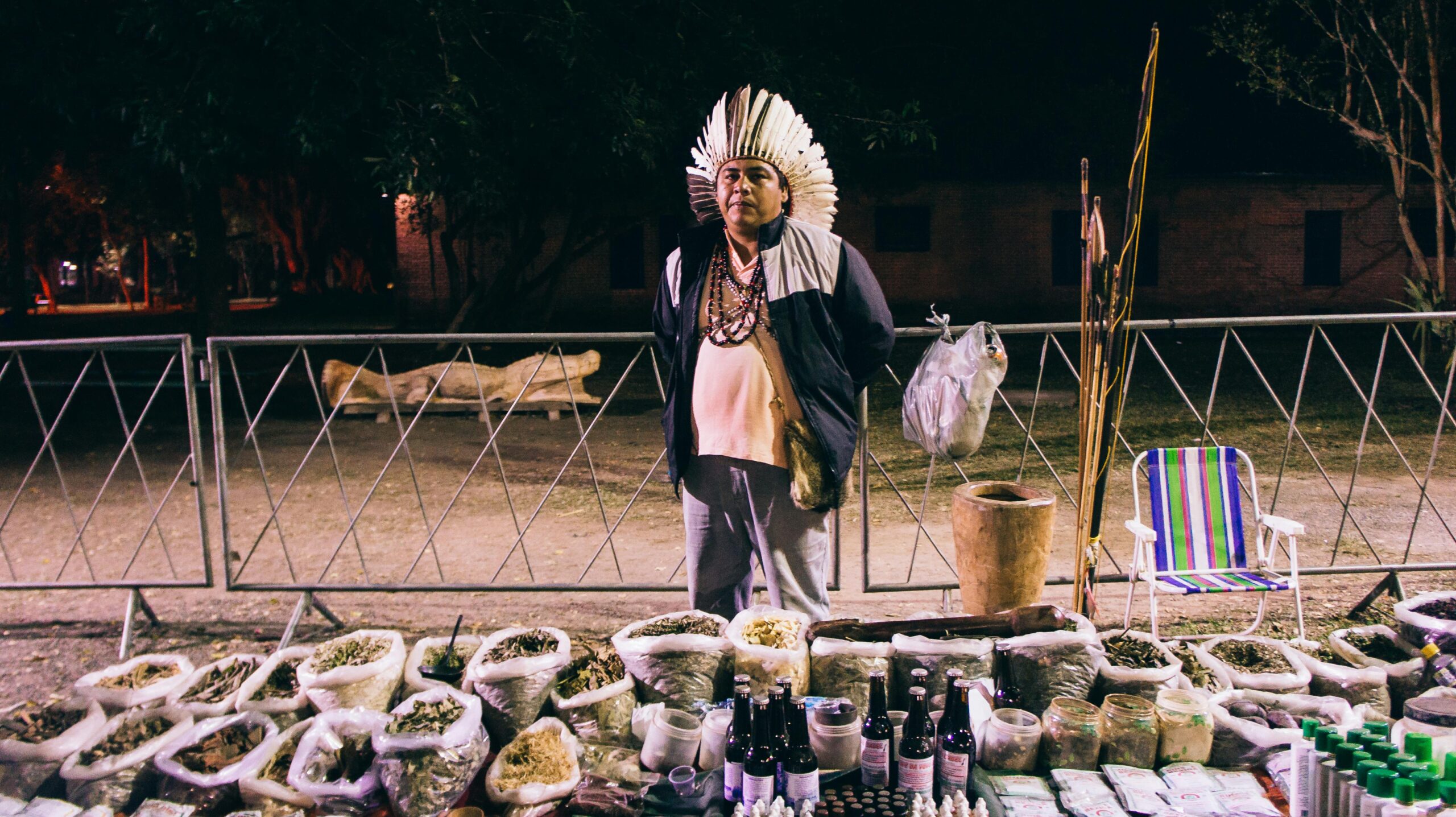
Heritage languages serve as repositories of traditional ecological knowledge accumulated over millennia. Indigenous communities often possess hundreds of terms for local plant species, animal behaviors, weather patterns, and landscape features that scientific terminology fails to capture adequately. This linguistic precision reflects deep observation and sustainable relationships with environments that modern societies are desperately trying to rebuild.
📉 The Crisis Facing Minority Languages Today
UNESCO estimates that approximately 40% of the world’s roughly 7,000 languages are endangered, with varying degrees of vulnerability. The crisis affects linguistic diversity unevenly across regions, with some areas experiencing catastrophic losses while others maintain relatively stable multilingualism. The factors driving language endangerment are complex and interconnected, reflecting broader patterns of social, economic, and political change.
Globalization creates powerful incentives for communities to abandon heritage languages in favor of dominant lingua francas that promise economic opportunities, educational access, and social mobility. Parents, hoping to secure better futures for their children, often choose not to transmit heritage languages, believing them to be obstacles rather than assets. This well-intentioned decision, multiplied across communities worldwide, accelerates linguistic homogenization.
Urbanization disrupts traditional community structures where heritage languages thrived. When speakers migrate to cities seeking employment, they enter multilingual environments where dominant languages prevail in public spaces, schools, workplaces, and media. The social contexts that naturally reinforced heritage language use—extended family networks, community ceremonies, traditional occupations—weaken or disappear entirely.
Digital technology, while offering unprecedented tools for language documentation and learning, simultaneously amplifies the dominance of major languages. The internet operates overwhelmingly in a handful of languages, primarily English, Chinese, Spanish, and Arabic. Content creation, social media platforms, and digital interfaces favor these languages, making heritage languages seem technologically irrelevant and disconnected from modernity.
💪 Why Linguistic Continuity Matters for Communities
The connection between language and identity runs deeper than many realize. Heritage languages anchor individuals within cultural narratives that extend backward through ancestors and forward through descendants. They provide a sense of belonging, continuity, and rootedness that transcends individual lifespans. When people lose their ancestral languages, they often describe feeling culturally adrift, disconnected from essential parts of themselves.
Research consistently demonstrates links between heritage language maintenance and positive mental health outcomes, particularly for indigenous and minority communities. Linguistic continuity strengthens intergenerational bonds, facilitates transmission of traditional values, and provides protective factors against social problems including substance abuse, depression, and youth disengagement. Language revitalization programs often report improvements in community wellbeing extending far beyond linguistic domains.
Heritage languages preserve unique intellectual resources that benefit humanity collectively. Different languages encode different problem-solving approaches, metaphorical systems, and conceptual frameworks. Multilingualism enhances cognitive flexibility, creative thinking, and perspective-taking abilities. From scientific innovation to artistic expression, linguistic diversity enriches human creativity and adaptability.
🏛️ Historical Patterns of Language Loss and Preservation
Understanding historical patterns helps contextualize current challenges. Language shift typically follows predictable stages across generations. The first generation speaks the heritage language natively, using the dominant language for external interactions. The second generation develops passive understanding but prefers the dominant language. The third generation often lacks functional competence in the heritage language, retaining only symbolic phrases or disconnected words.
Colonial histories profoundly shaped contemporary linguistic landscapes. Deliberate policies aimed to eradicate indigenous and minority languages through forced assimilation, residential schools, and legal prohibitions on heritage language use. These traumatic experiences created intergenerational disconnections and associations between heritage languages and suffering, shame, or backwardness that communities still struggle to overcome.
Conversely, successful preservation examples offer valuable lessons. Wales reversed Welsh language decline through comprehensive education policies, media programming, and official status designation. Hebrew’s revival from primarily liturgical use to a thriving modern language demonstrates possibilities for even severely endangered languages. Māori language revitalization in New Zealand shows how immersion education and cultural pride movements can reinvigorate linguistic transmission.
👨👩👧👦 Family and Community Strategies for Language Transmission
Families represent the frontline of linguistic heritage preservation. Intergenerational transmission within homes provides the foundation upon which community and institutional efforts build. Parents and grandparents can implement practical strategies to strengthen heritage language presence in children’s lives, even within dominant-language environments.
The “one parent, one language” approach assigns each parent a consistent language for interacting with children, creating predictable linguistic contexts. Time and place strategies designate certain activities, locations, or times of day exclusively for heritage language use. These structured approaches help children develop compartmentalized linguistic competencies rather than confusion.
Creating rich linguistic environments goes beyond mere exposure. Children need meaningful interactions, emotional connections, and genuine communication purposes in heritage languages. Storytelling, singing, cooking traditional foods, celebrating cultural festivals, and maintaining relationships with monolingual relatives provide authentic contexts that textbooks cannot replicate.
Community language nests, Saturday schools, and cultural camps extend family efforts into collective spaces. These programs create peer groups of heritage language speakers, reducing children’s sense of isolation and making linguistic heritage feel normal rather than exceptional. Youth increasingly need to see heritage languages as living, dynamic tools for genuine communication among peers, not merely obligations to please elders.
📚 Educational Approaches Supporting Linguistic Continuity
Formal education systems play crucial roles, either accelerating language shift or supporting maintenance. Bilingual and multilingual education models demonstrate that children can successfully develop literacy and academic skills in multiple languages simultaneously without cognitive confusion or academic disadvantage—contrary to persistent myths that discouraged heritage language maintenance.
Immersion education, where heritage languages serve as primary instructional media, produces the strongest outcomes for language proficiency and cultural connection. Partial immersion and dual-language programs offer more moderate approaches suitable for contexts with fewer resources or political constraints. Even heritage language classes, though less intensive, provide valuable exposure and legitimize linguistic heritage within educational institutions.
Teacher training represents a critical bottleneck. Heritage language education requires educators who combine linguistic fluency, cultural knowledge, and pedagogical skills—a challenging combination to find and develop. Community members often possess linguistic and cultural expertise but lack formal teaching credentials, while certified teachers may lack heritage language proficiency.
Curriculum development must balance standardization with flexibility. Materials should reflect community linguistic varieties, incorporate traditional knowledge, and address contemporary relevance. Youth respond better when heritage languages connect to their actual interests and futures rather than being confined to discussions of tradition and the past.
💻 Technology as a Double-Edged Sword
Digital technology transforms language preservation possibilities while simultaneously threatening heritage languages. The same platforms that spread dominant languages globally can support minority language communities when deliberately designed and implemented for preservation purposes.
Documentation technologies allow communities to record elders, create audio and video archives, and preserve endangered languages even when intergenerational transmission has failed. Digital archives make these materials accessible to descendant communities, researchers, and potentially future revitalization efforts. However, documentation alone cannot sustain living languages—it preserves linguistic data without ensuring continued use.
Language learning applications, online courses, and digital dictionaries lower barriers to heritage language acquisition. Learners can access materials regardless of geographic location, study at their own pace, and practice without fear of judgment. Social media groups, messaging apps, and video calls help dispersed speakers maintain linguistic connections across distances that previously forced language abandonment.
Content creation in heritage languages—blogs, podcasts, videos, social media posts—demonstrates contemporary relevance and creates materials reflecting modern life. Young people increasingly engage with languages through digital media, so heritage language presence in these spaces signals vitality and relevance. Creating content also develops productive skills beyond passive comprehension.
🎭 Cultural Expression and Language Vitality
Arts and cultural expression provide powerful vehicles for heritage language engagement. Traditional songs, stories, poetry, and performance genres carry linguistic heritage through aesthetically compelling forms that attract participation beyond purely educational contexts. Cultural festivals, competitions, and celebrations create high-visibility events that raise community pride and public awareness.
Contemporary artistic innovation in heritage languages demonstrates their continuing relevance. Hip-hop, spoken word poetry, modern literature, and digital media production in minority languages challenge perceptions of heritage languages as archaic or limited to traditional contexts. Young artists reclaim heritage languages as tools for contemporary expression, resistance, and identity formation.
Cultural industries—publishing, music production, film, theater—create economic incentives and professional opportunities connected to heritage languages. When artists can build careers using heritage languages, they model possibilities that purely educational or preservation-focused approaches cannot provide. Market demand, though often modest, demonstrates tangible value beyond symbolic or sentimental considerations.
🏛️ Policy and Institutional Support Systems
Government policies profoundly influence linguistic heritage continuity. Official language status, education mandates, media requirements, and public signage regulations shape the social prestige and practical utility of heritage languages. International human rights frameworks increasingly recognize linguistic rights, though implementation remains inconsistent.
Successful policy approaches combine symbolic recognition with practical support. Official status raises prestige but requires accompanying implementation through government services, court proceedings, and public administration. Education policies must provide adequate funding, teacher training, and curriculum development rather than merely permitting heritage language instruction.
Media policy influences linguistic landscapes through broadcasting requirements, funding for minority language content, and digital infrastructure supporting heritage languages. Public broadcasting systems in some countries dedicate resources to minority language programming, creating professional media ecosystems that employ heritage language speakers and normalize linguistic diversity.
Economic development initiatives can either support or undermine linguistic heritage. Policies promoting language tourism, traditional cultural industries, and indigenous business development create economic opportunities connected to heritage languages. Conversely, development projects that displace communities or accelerate integration into dominant-language economies accelerate language shift.
🌱 Moving Forward: Building Sustainable Language Ecosystems
Sustainable linguistic heritage continuity requires coordinated efforts across multiple domains—families, communities, education systems, governments, and international organizations. No single intervention suffices; comprehensive approaches addressing social, economic, political, and cultural dimensions produce the strongest outcomes.
Successful models share several characteristics: community leadership and ownership, intergenerational participation, connections between heritage languages and contemporary life, economic opportunities, institutional support, and cultural pride. External support proves most effective when it amplifies community-driven initiatives rather than imposing external agendas.
The challenge facing linguistic heritage today is unprecedented in scale but not insurmountable. Communities worldwide demonstrate that language revitalization is possible even from severely endangered states. These successes require sustained commitment, adequate resources, and recognition that linguistic heritage represents a fundamental dimension of human cultural diversity worth preserving.
Linguistic diversity enriches humanity collectively while anchoring communities in distinctive identities and knowledge systems. The languages we speak shape how we think, what we notice, and how we relate to each other and our environments. Preserving linguistic roots means maintaining multiple ways of being human—diverse perspectives, knowledge systems, and cultural expressions that make our species remarkably adaptable and creative. 🌈
As individuals, we can support linguistic heritage continuity by learning about endangered languages, supporting indigenous and minority language communities, choosing to learn heritage languages, creating content in minority languages, and advocating for policies that respect linguistic diversity. Even small actions, multiplied across many people, shift social attitudes and create conditions where linguistic heritage can flourish rather than merely survive.