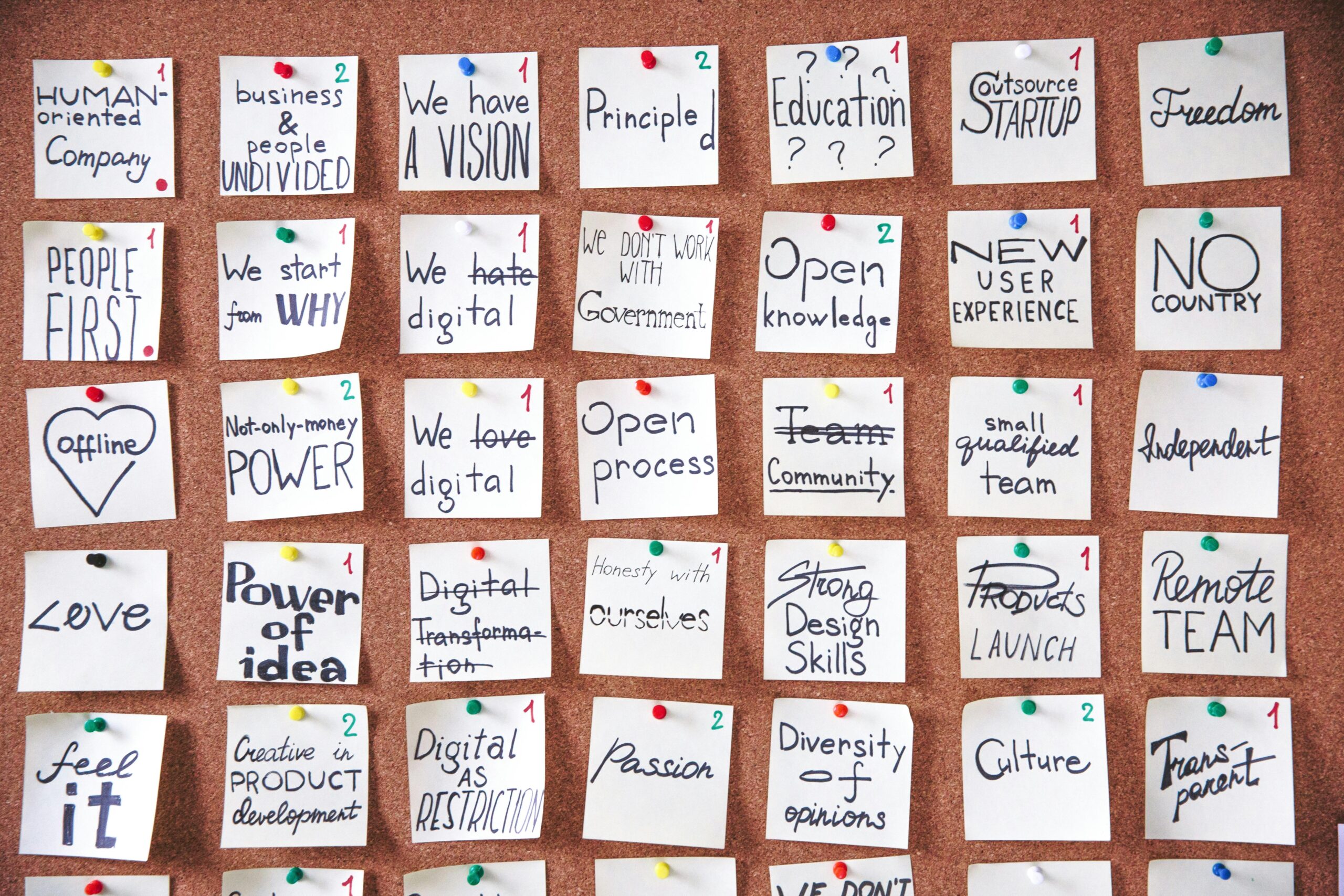
Community revitalization requires strategic planning, dedicated leadership, and sustainable program models that create lasting positive change for residents and stakeholders alike.

In today’s rapidly changing world, communities face unprecedented challenges ranging from economic decline and population shifts to environmental concerns and social fragmentation. The key to overcoming these obstacles lies in implementing well-designed programs that address root causes while building capacity for long-term success. Whether you’re a community leader, nonprofit director, or engaged citizen, understanding the most effective program models can transform your neighborhood from struggling to thriving.
Sustainable community development isn’t about quick fixes or temporary solutions. It’s about creating systems, structures, and initiatives that generate ongoing benefits while adapting to changing circumstances. The most successful communities have embraced program models that engage residents, leverage local assets, and create pathways for economic opportunity and social connection.
🌱 Understanding the Foundation: What Makes Community Programs Sustainable
Before diving into specific program models, it’s essential to understand what separates sustainable initiatives from those that fade after initial enthusiasm wanes. Sustainability in community development encompasses three interconnected dimensions: economic viability, social equity, and environmental responsibility.
Economic sustainability means programs generate sufficient resources—whether through earned revenue, diverse funding streams, or efficient resource allocation—to maintain operations over time. This doesn’t necessarily mean every initiative must be profitable, but rather that communities develop realistic financial models that don’t rely solely on temporary grants or single funding sources.
Social equity ensures that program benefits reach all community members, particularly those historically marginalized or underserved. Sustainable programs actively work to dismantle barriers to participation and create inclusive pathways for engagement. When programs serve only narrow segments of the population, they ultimately weaken community cohesion and limit their impact.
Environmental responsibility has become increasingly critical as communities recognize the interconnection between ecological health and human wellbeing. Sustainable programs minimize negative environmental impacts while often actively improving local ecosystems, green spaces, and resource efficiency.
The Asset-Based Community Development Model 💎
One of the most transformative approaches to community revitalization is Asset-Based Community Development (ABCD). Unlike traditional deficit-based models that focus on problems and needs, ABCD identifies and mobilizes existing community strengths, skills, and resources.
This model begins with comprehensive asset mapping—systematically identifying individual talents, citizen associations, local institutions, physical assets, and economic resources already present in the community. By starting with what’s strong rather than what’s wrong, ABCD builds confidence and creates momentum for change.
Successful ABCD programs connect isolated assets to create synergies. For example, a community might connect retired professionals with entrepreneurial youth, vacant lots with urban agriculture initiatives, or underutilized buildings with arts organizations. These connections multiply impact while building social capital—the networks of relationships that enable communities to function effectively.
Implementation requires skilled facilitation to help community members recognize assets they may take for granted. Many communities have discovered hidden treasures: multilingual residents who can serve as cultural bridges, hobbyists whose skills can become small businesses, or informal neighborhood leaders who can mobilize grassroots action.
Collective Impact: Coordinating for Maximum Effect 🤝
Complex community challenges rarely yield to single-organization solutions. The Collective Impact model brings together diverse stakeholders—nonprofits, businesses, government agencies, schools, and community members—around a shared agenda for change.
This model requires five key conditions for success: a common agenda, shared measurement systems, mutually reinforcing activities, continuous communication, and backbone support organizations. Without these elements, collaborative efforts often devolve into talking shops that produce meetings but not measurable outcomes.
The common agenda doesn’t mean everyone agrees on everything, but rather that participants align around specific, measurable goals. For instance, a community might unite behind reducing youth unemployment by 25% within three years, even while different organizations pursue complementary strategies to reach that goal.
Shared measurement ensures all participants track progress using consistent indicators, making it possible to see what’s working and adjust strategies accordingly. This data-driven approach prevents duplication, identifies gaps, and builds accountability across the collaborative.
Backbone organizations provide the infrastructure that keeps collective impact initiatives functioning. They coordinate meetings, manage communications, collect and analyze data, and handle administrative tasks that would otherwise burden individual partners. Without this dedicated support, collaborative efforts typically fragment under the weight of participants’ other obligations.
🏘️ Place-Based Comprehensive Initiatives
Place-based models concentrate resources and interventions in specific geographic areas—typically neighborhoods experiencing concentrated disadvantage. Rather than spreading resources thinly across entire cities, these initiatives saturate targeted areas with coordinated supports addressing multiple dimensions of community life simultaneously.
Successful place-based programs typically include integrated services spanning education, health, housing, economic development, and public safety. The philosophy holds that isolated interventions in any single domain produce limited results when residents face multiple, interconnected challenges.
The Harlem Children’s Zone represents perhaps the most well-known example, providing cradle-to-career supports within a defined geographic area. Similar models have emerged worldwide, adapting the core principles to local contexts and resources.
Critical to this approach is long-term commitment—typically 10-20 years minimum. Communities can’t reverse decades of disinvestment in a few years. Place-based initiatives require patient capital, sustained leadership, and realistic expectations about the pace of change.
Resident engagement forms the cornerstone of effective place-based work. Programs imposed from outside rarely achieve lasting change. Instead, successful initiatives invest heavily in community organizing, leadership development, and participatory decision-making that ensures residents shape the strategies affecting their neighborhoods.
Social Enterprise Models for Economic Revitalization 💼
Social enterprises blend business principles with social missions, generating revenue while addressing community needs. These hybrid organizations have become increasingly important tools for sustainable community development, creating jobs, providing services, and building local wealth.
Community development corporations (CDCs) often operate social enterprises as part of broader revitalization strategies. A CDC might run a café that employs neighborhood youth, a construction company that renovates local housing, or a retail cooperative that keeps spending power within the community.
The key advantage of social enterprises lies in their potential for financial sustainability. While grant-funded programs constantly chase the next funding cycle, successful social enterprises generate earned income that supports operations while pursuing social goals.
However, balancing social mission with business viability requires sophisticated management. Organizations must resist the temptation to compromise either dimension—abandoning social goals for profitability or maintaining mission while ignoring market realities. Both paths lead to failure.
Successful social enterprises typically start with thorough market analysis identifying genuine demand for products or services. They develop business plans with realistic financial projections, invest in staff training to ensure quality, and establish clear metrics for both financial and social performance.
🌳 Environmental Justice and Green Infrastructure Programs
Environmental initiatives have emerged as powerful vehicles for comprehensive community revitalization. Green infrastructure projects—from urban forests and rain gardens to community solar installations—address environmental challenges while creating jobs, improving public health, and enhancing neighborhood aesthetics.
Environmental justice frameworks ensure that communities historically burdened by pollution and environmental hazards receive priority for green investments. These programs recognize that zip codes often predict life expectancy better than genetic codes, largely due to environmental factors.
Community-based environmental programs frequently incorporate workforce development, training residents for green jobs in renewable energy, ecological restoration, sustainable agriculture, and green building. These careers often provide family-supporting wages while contributing to environmental improvement.
Urban agriculture initiatives exemplify the multidimensional benefits of environmental programming. Community gardens and urban farms provide fresh food access, green space, educational opportunities, economic development through farmers markets, and gathering places that strengthen social bonds.
Climate adaptation planning represents an increasingly urgent dimension of environmental community development. Forward-thinking communities are implementing programs that reduce vulnerability to climate impacts while building resilience through improved infrastructure, emergency preparedness, and nature-based solutions.
🎓 Education-Centered Community Development
Schools serve as natural anchors for community revitalization efforts. Community schools models transform educational institutions into hubs that provide integrated services, family engagement opportunities, and neighborhood resources extending far beyond traditional classroom instruction.
These programs recognize that children struggle to learn when families face housing instability, food insecurity, health problems, or other challenges. By co-locating services at schools, community schools reduce barriers to access while creating synergies among providers.
Extended learning time programs offer academic enrichment, arts education, sports, and other activities that expand opportunities while keeping young people engaged in positive activities. These initiatives particularly benefit working families lacking resources for private enrichment programs.
Adult education and workforce development programs based at schools serve multiple generations, helping parents advance economically while modeling lifelong learning for children. Many communities have found that addressing adult educational needs produces cascading benefits for entire families.
School-community partnerships also leverage educational institutions’ convening power, bringing together diverse stakeholders to address neighborhood concerns. School facilities can host community meetings, health screenings, cultural events, and civic activities that strengthen local bonds.
💪 Building Evaluation and Continuous Improvement Systems
Sustainable programs build evaluation and learning into their DNA from inception. Too often, evaluation becomes an afterthought—something demanded by funders rather than a tool for genuine improvement. Effective programs flip this script, using data to drive decision-making and demonstrate impact.
Strong evaluation frameworks balance quantitative metrics with qualitative insights. Numbers tell important stories about reach, outcomes, and trends, but community voices provide essential context about how programs affect daily life and where improvements are needed.
Developmental evaluation approaches work particularly well for community initiatives operating in complex, changing environments. Rather than applying rigid predetermined metrics, developmental evaluation adapts as programs evolve, helping practitioners navigate uncertainty while maintaining accountability.
Participatory evaluation methods engage community members as co-evaluators rather than merely subjects of study. This approach builds local research capacity, ensures evaluation questions address community priorities, and increases the likelihood that findings actually inform program improvements.
Regular learning cycles—quarterly or semi-annual reviews where teams examine data, discuss lessons, and adjust strategies—keep programs responsive and improvement-focused. These sessions should create safe spaces for honest reflection about what’s working and what isn’t, without fear of punishment for acknowledging challenges.
🔄 Scaling Success While Maintaining Quality
When programs demonstrate success, communities naturally want to expand impact. However, scaling presents significant challenges. Programs that worked beautifully at small scale sometimes lose effectiveness when expanded, particularly if growth outpaces capacity.
Successful scaling requires attention to several dimensions beyond simply serving more people. Organizational infrastructure must grow to match program expansion—management systems, staff training, quality assurance processes, and financial controls all need strengthening.
The choice between depth and breadth represents a critical strategic decision. Some programs choose to go deep in specific communities, offering intensive supports to smaller numbers of participants. Others spread more widely with lighter-touch interventions reaching more people. Neither approach is inherently superior; the right choice depends on the specific challenge being addressed and available resources.
Adaptation rather than replication often leads to more successful scaling. Cookie-cutter approaches rarely work across diverse communities. Instead, successful expansion identifies core program elements that must be maintained while allowing flexibility in implementation details to fit local contexts.
Technology platforms increasingly enable scaling by reducing per-participant costs and extending geographic reach. However, communities must balance technology’s efficiency with the relationship-building and personal connection that remain essential for meaningful engagement, particularly with marginalized populations.
🎯 Moving from Vision to Action: Implementation Strategies
Even the best program models fail without thoughtful implementation. Successful communities approach implementation as a deliberate process requiring careful planning, stakeholder engagement, and adaptive management.
Starting with pilot programs allows communities to test approaches on smaller scales before full rollout. Pilots provide opportunities to identify problems, refine processes, and build evidence of effectiveness while minimizing risk. They also create early wins that build momentum and stakeholder confidence.
Clear governance structures prevent the confusion and conflict that can derail promising initiatives. Stakeholders need to understand who makes which decisions, how resources get allocated, and how conflicts will be resolved. Ambiguous governance almost inevitably leads to power struggles and paralysis.
Resource mobilization requires creativity beyond traditional grant-seeking. Successful programs blend public funding, private philanthropy, corporate partnerships, earned income, and in-kind contributions. Diversified funding streams provide stability and reduce vulnerability to any single source’s decisions.
Communications strategies deserve as much attention as program design. Communities must tell their stories compellingly to attract resources, engage residents, recruit partners, and influence policy. Strategic communications builds visibility, credibility, and political support essential for long-term sustainability.

🌟 Creating Your Community’s Unique Pathway Forward
No single program model fits every community perfectly. The most effective approach involves understanding proven models, assessing local conditions and assets, engaging stakeholders in visioning and planning, and designing customized strategies that draw on best practices while responding to unique circumstances.
Communities beginning revitalization journeys should resist the temptation to do everything at once. Starting with focused initiatives that address priority concerns while building organizational and community capacity creates foundations for more ambitious efforts later. Quick wins generate enthusiasm and demonstrate that change is possible.
Leadership development must be woven throughout community development work. Sustainable change requires diverse leaders at all levels—neighborhood residents, nonprofit professionals, business owners, public officials, and young people. Investing in leadership development multiplies impact by creating cadres of change agents.
Finally, communities must maintain hope and persistence through inevitable setbacks. Revitalization is marathon work, not a sprint. Communities that sustain effort over years and decades, learning from failures and celebrating successes, ultimately transform in ways that seemed impossible when the journey began.
The program models explored in this article represent proven pathways toward sustainable community development. Whether your community adopts asset-based approaches, collective impact frameworks, place-based strategies, social enterprises, environmental initiatives, education-centered models, or hybrid approaches drawing from multiple frameworks, success depends on committed leadership, authentic engagement, continuous learning, and unwavering focus on creating lasting positive change for all residents.