Languages are living treasures, and many exist only in spoken form. Documenting unwritten languages is crucial for preserving cultural identity, traditional knowledge, and humanity’s diverse linguistic landscape before they vanish forever.

🌍 The Invisible Crisis: Languages Disappearing Without a Trace
Every two weeks, a language dies somewhere in the world. This statistic, while alarming, only tells part of the story. Many of these languages have never been written down, existing solely in the memories and conversations of their speakers. When the last speaker passes away, entire worldviews, accumulated wisdom, and unique ways of understanding reality disappear with them.
Unwritten languages represent the majority of the world’s approximately 7,000 languages. These oral traditions carry knowledge systems that have been refined over millennia, containing information about medicinal plants, environmental management, social structures, and spiritual practices that cannot be found anywhere else. The urgency to document these linguistic treasures has never been greater, as globalization and cultural homogenization accelerate the rate of language extinction.
💎 Why Unwritten Languages Matter More Than You Think
Unwritten languages are not simply spoken versions of written languages. They possess unique grammatical structures, vocabulary, and ways of organizing thought that challenge our understanding of human cognition and communication. Each language represents a distinct solution to the challenge of expressing human experience, and losing any language means losing a unique piece of the puzzle of what it means to be human.
These languages often encode specialized knowledge that has practical applications today. Indigenous communities have used oral traditions to preserve detailed information about local ecosystems, weather patterns, and sustainable resource management practices. This traditional ecological knowledge is increasingly recognized as valuable by scientists working on conservation and climate change adaptation.
Cultural Identity and Community Cohesion
Language serves as the primary carrier of cultural identity. For communities that speak unwritten languages, their linguistic heritage is intimately connected to their sense of self, their traditions, and their relationship with their ancestral lands. When a language disappears, communities often experience a profound sense of loss that affects mental health, social cohesion, and intergenerational relationships.
Documentation efforts help communities maintain connections with their heritage while navigating modern society. Young people who might have become disconnected from their linguistic roots can rediscover their identity through archived recordings, written materials, and educational resources developed from documentation projects.
📚 The Science and Art of Language Documentation
Documenting an unwritten language is a complex process that requires linguistic expertise, cultural sensitivity, and community collaboration. It goes far beyond simply creating a dictionary or grammar book. Comprehensive documentation aims to capture the full richness of a language as it is actually used in daily life, ceremonial contexts, storytelling, and specialized domains.
Linguists working on documentation projects employ various methodologies to create robust records of endangered languages. These include recording natural conversations, eliciting specific grammatical structures, documenting traditional narratives, and creating multimedia archives that preserve not just words, but the contexts in which they are used.
Modern Technology Revolutionizing Documentation
Digital tools have transformed language documentation in recent decades. High-quality audio and video recording equipment has become more affordable and portable, allowing researchers to capture linguistic data in natural settings. Sophisticated software enables detailed phonetic analysis, and collaborative online platforms facilitate knowledge sharing between communities, linguists, and educators worldwide.
Mobile applications now play an increasingly important role in documentation and revitalization efforts. Community members can use smartphones to record elders speaking, create digital dictionaries, and develop language learning resources without requiring extensive technical training.
🤝 Community-Centered Documentation Approaches
The most successful language documentation projects place communities at the center of the process. This participatory approach recognizes that speakers are not merely data sources but experts in their own languages and cultures. Community members actively shape research priorities, control how information is shared, and determine how documentation materials will be used.
This collaborative model addresses historical imbalances where external researchers extracted linguistic data without providing meaningful benefits to communities. Modern documentation ethics emphasize reciprocity, cultural respect, and the importance of creating materials that serve community needs, whether for education, cultural revitalization, or legal recognition of traditional knowledge.
Training Local Documentarians
Empowering community members to become documentarians ensures sustainability and cultural authenticity. Training programs teach linguistic methods, recording techniques, and archival practices to speakers who have intimate knowledge of their languages. These local researchers can work more naturally within their communities, access restricted knowledge that outsiders cannot, and continue documentation long after external researchers depart.
- Building local capacity creates employment opportunities in communities
- Community documentarians better understand cultural protocols and sensitivities
- Materials created by speakers have greater authenticity and acceptance
- Documentation becomes an ongoing process rather than a one-time project
- Youth engagement through technology attracts younger generations to language preservation
🎯 Practical Applications of Language Documentation
Documentation creates resources that serve multiple purposes beyond academic research. Educational materials developed from documented languages support school programs, helping children learn their heritage languages alongside dominant national languages. These resources include primers, storybooks, digital apps, and multimedia content that make learning engaging and accessible.
Legal and political applications of language documentation are increasingly important. Indigenous communities use documented linguistic evidence to support land claims, cultural heritage protection, and intellectual property rights. Recordings and transcriptions can prove historical connections to territories and document traditional knowledge systems that deserve legal recognition and protection.
Medical and Mental Health Benefits
Research demonstrates that maintaining linguistic heritage contributes to better health outcomes in indigenous communities. Language preservation correlates with stronger cultural identity, reduced substance abuse, lower suicide rates, and improved overall community wellbeing. Documentation provides the foundation for language revitalization programs that deliver these health benefits.
Mental health professionals increasingly recognize the importance of linguistic and cultural continuity for psychological wellness. When communities can access their heritage languages through documented materials, they experience greater resilience and stronger intergenerational bonds.
⚡ Challenges in Documenting Unwritten Languages
Language documentation faces significant obstacles, including limited funding, few trained linguists relative to the number of endangered languages, and logistical difficulties in reaching remote communities. Many unwritten languages are spoken in areas with limited infrastructure, making fieldwork expensive and time-consuming.
Ethical challenges also arise when documenting languages. Communities may have sacred or restricted knowledge that should not be recorded or shared widely. Navigating these sensitive areas requires trust, patience, and respect for cultural protocols. Documentarians must balance creating comprehensive records with honoring community wishes about what should remain private.
The Race Against Time
The most pressing challenge is time itself. Many unwritten languages have only elderly speakers remaining, and these knowledge holders may pass away before adequate documentation occurs. This urgency creates pressure on documentation projects, yet rushing can compromise quality and damage community relationships. Finding the right balance between speed and thoroughness remains a constant tension.
| Challenge | Impact | Potential Solutions |
|---|---|---|
| Limited funding | Incomplete documentation | Diversified funding sources, community partnerships |
| Few trained linguists | Many languages undocumented | Train community documentarians, simplify methodologies |
| Remote locations | High costs, access difficulties | Local documentarian training, technology solutions |
| Cultural sensitivities | Restricted access to knowledge | Community-controlled documentation, flexible protocols |
🌟 Success Stories: Documentation Making a Difference
Despite challenges, numerous documentation projects have achieved remarkable success in preserving languages and empowering communities. The documentation of Tuvan throat singing traditions in Siberia not only preserved linguistic elements but also revitalized interest in this unique vocal art form among younger generations.
In Australia, documentation projects for Aboriginal languages have supported land rights claims and cultural revival movements. Archived recordings of elders speaking languages that had nearly disappeared have enabled new generations to reconnect with their linguistic heritage and rebuild speaker communities.
Technology Empowering Revitalization
Digital archives and learning applications developed from documentation efforts have proven transformative. The Endangered Languages Project and similar initiatives create accessible online repositories where communities can share and access materials. These platforms connect dispersed community members and provide resources for language learning regardless of geographic location.
Some communities have developed innovative approaches using documented materials. Immersion schools, language nests for young children, and master-apprentice programs all rely on documented resources to support language transmission when natural intergenerational transmission has been disrupted.
🔮 The Future of Language Documentation
Emerging technologies promise to accelerate and improve documentation efforts. Artificial intelligence and machine learning are being developed to assist with transcription, translation, and pattern recognition in linguistic data. While these tools cannot replace human expertise and community knowledge, they can make documentation more efficient and accessible.
Virtual and augmented reality technologies offer exciting possibilities for creating immersive language learning experiences. Documented languages can be brought to life through interactive environments where learners engage with virtual speakers and cultural contexts. These innovations may prove particularly appealing to younger generations who grew up with digital technology.
Building Sustainable Documentation Networks
The future of language documentation depends on creating sustainable networks that connect communities, researchers, funding organizations, and technology developers. Collaborative platforms that facilitate knowledge sharing and resource pooling can help overcome the challenges of limited funding and expertise.
Institutional support from governments, universities, and international organizations remains crucial. Policies that recognize linguistic diversity as cultural heritage worth protecting can unlock resources and create frameworks for long-term documentation and revitalization efforts.
💪 Taking Action: How Everyone Can Contribute
Language documentation is not solely the responsibility of linguists and researchers. Everyone can contribute to preserving linguistic diversity and supporting communities working to maintain their heritage languages. Raising awareness about language endangerment educates others about this critical issue and builds public support for preservation efforts.
Supporting organizations dedicated to language documentation through donations or volunteer work directly aids preservation projects. Many initiatives welcome assistance with transcription, digitization, and technical support, even from people without linguistic training. Your skills in technology, education, or project management may prove valuable to documentation efforts.
If you have heritage language connections, consider documenting conversations with older family members. Even informal recordings preserve linguistic data and family histories that might otherwise be lost. These personal documentation efforts complement professional projects and contribute to the broader goal of preserving linguistic diversity.
🌈 Celebrating Linguistic Diversity as Human Heritage
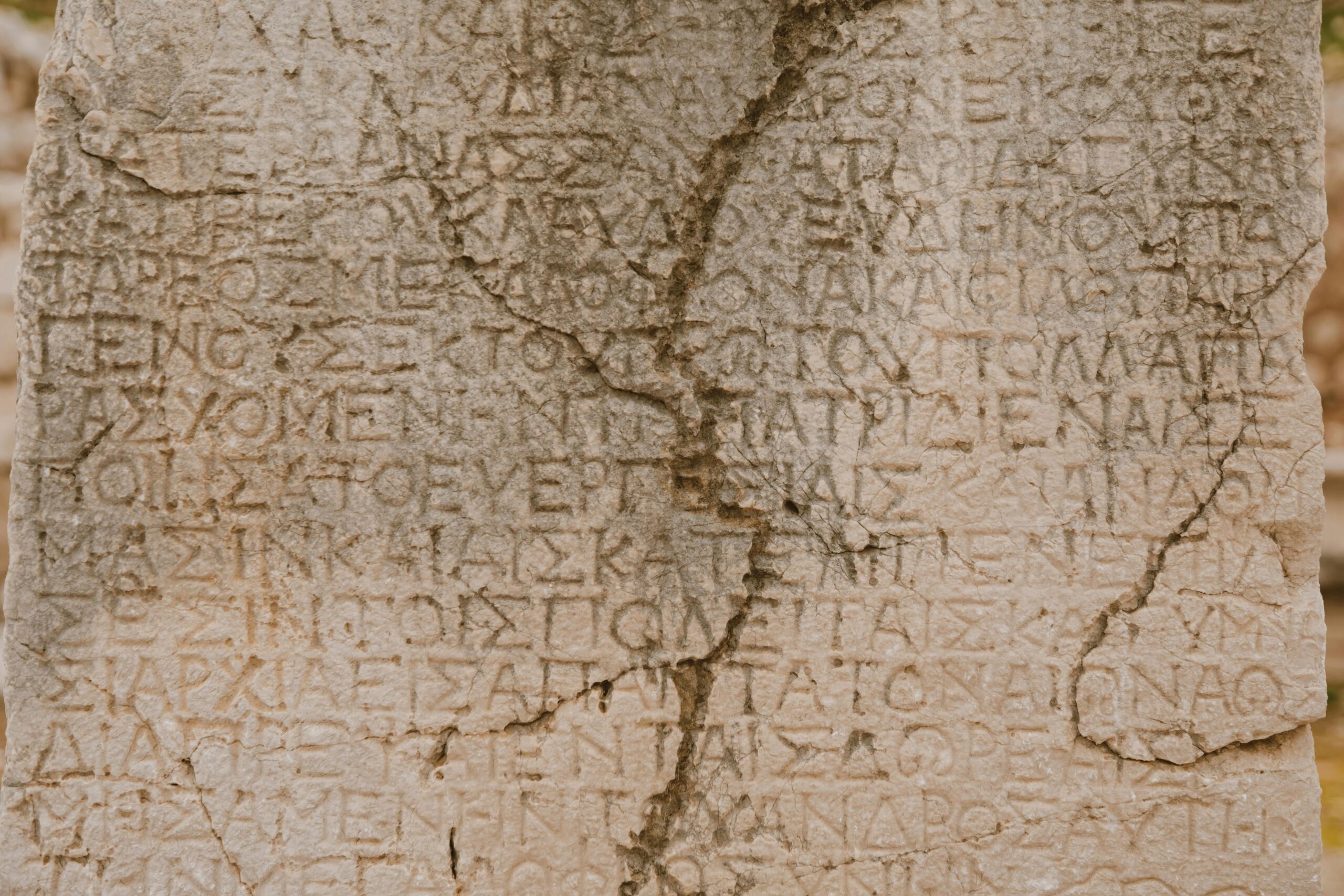
Unwritten languages represent irreplaceable components of human cultural heritage. Each language embodies unique ways of thinking, organizing knowledge, and expressing the full spectrum of human experience. Documenting these languages preserves not just words and grammar, but entire worldviews and knowledge systems developed over countless generations.
The work of language documentation ultimately celebrates human diversity and resilience. It recognizes that every community’s linguistic heritage has intrinsic value and deserves preservation for future generations. By supporting documentation efforts, we affirm that all languages matter and that linguistic diversity enriches humanity as a whole.
As we move forward in an increasingly connected world, maintaining linguistic diversity becomes both more challenging and more important. Documentation provides the foundation for revitalization, ensures that knowledge is not lost forever, and empowers communities to maintain their cultural identities while participating in global society. The secrets locked within unwritten languages await discovery, offering insights that can benefit all of humanity if we act now to preserve them before they disappear into silence.