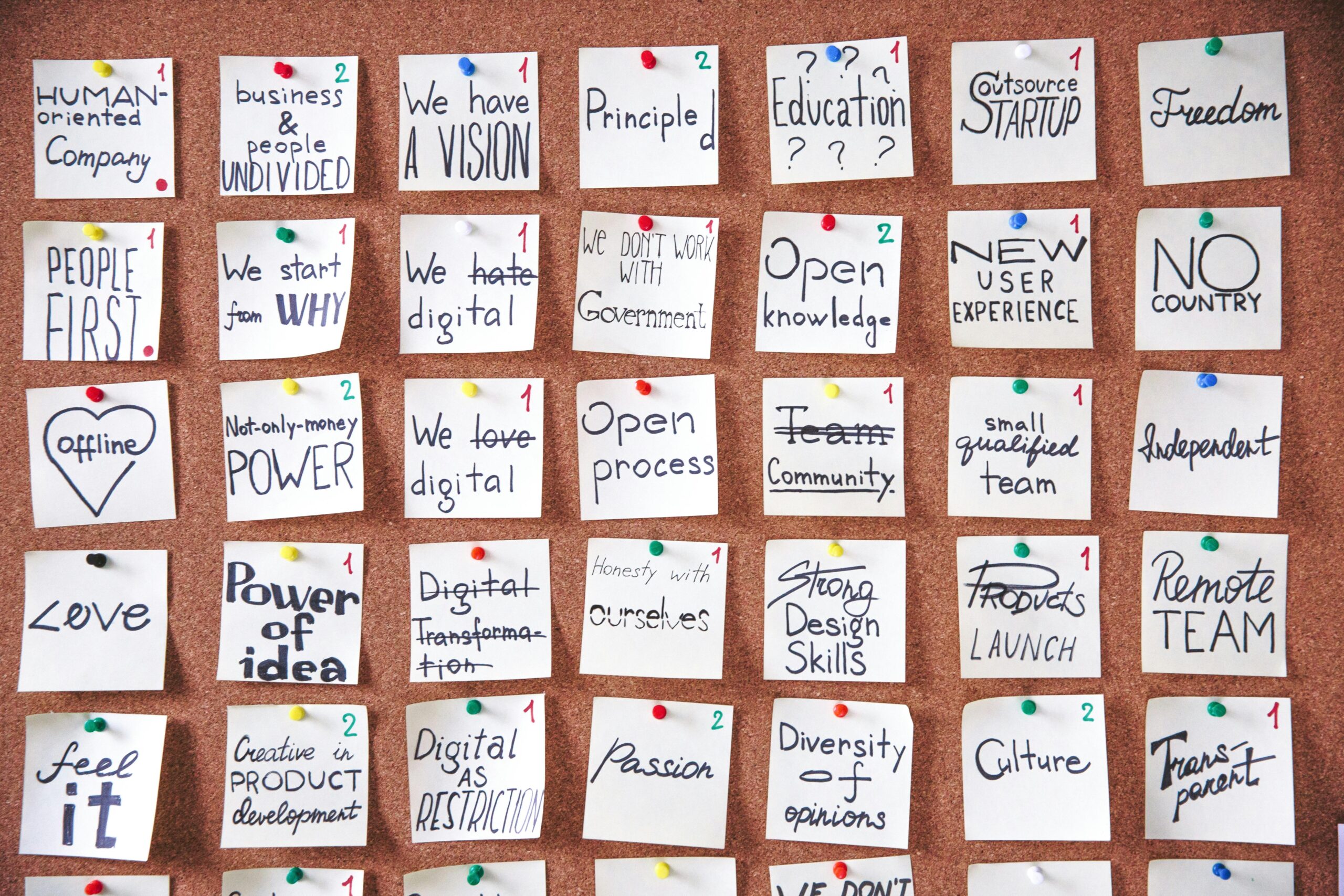
Language categorization shapes how we interpret, organize, and communicate ideas across cultures, industries, and digital platforms, transforming complex information into accessible knowledge.

🧠 The Foundation of Language Categorization in Modern Communication
Language categorization represents one of humanity’s most fundamental cognitive processes. Every time we communicate, our brains automatically sort words, phrases, and concepts into meaningful groups. This mental filing system allows us to process information efficiently and respond appropriately in various contexts.
From the moment children begin learning language, they start categorizing. They recognize that certain words belong to groups like animals, foods, or actions. This natural tendency continues throughout our lives, becoming increasingly sophisticated as we encounter new domains, professional jargon, and cultural nuances.
In today’s interconnected world, understanding language categorization has become essential for effective communication. Whether you’re crafting marketing messages, developing educational content, or simply trying to connect with diverse audiences, recognizing how language patterns emerge and function can dramatically improve your communicative impact.
📊 Core Patterns in Language Organization
Language patterns emerge through consistent usage across communities and contexts. These patterns form the backbone of how we understand and generate meaningful communication. Recognizing these structures helps communicators anticipate audience expectations and craft messages that resonate.
Semantic Clustering and Meaning Networks
Words naturally cluster around related meanings, creating semantic networks in our mental lexicon. When someone mentions “hospital,” related terms like “doctor,” “patient,” “treatment,” and “diagnosis” become activated in our consciousness. This clustering phenomenon influences how we process information and recall relevant details.
Professional communicators leverage semantic clustering to enhance message clarity. By using related terms strategically, they create stronger mental associations and improve information retention. Marketing campaigns, educational materials, and technical documentation all benefit from understanding these semantic relationships.
Syntactic Patterns and Sentence Structure
Beyond individual words, language categorization extends to sentence structures and grammatical patterns. Different communication contexts favor specific syntactic arrangements. Academic writing typically employs complex sentence structures, while social media communication gravitates toward shorter, punchier constructions.
Understanding these preferences helps communicators adapt their style appropriately. A legal document demands formal syntactic patterns, while a blog post thrives on conversational structures. Recognizing these distinctions prevents miscommunication and establishes appropriate tone.
🌍 Cultural Dimensions in Language Categorization
Language categorization varies significantly across cultures, reflecting different worldviews and priorities. What seems like a natural grouping in one language might appear arbitrary in another. These cultural dimensions profoundly impact international communication and cross-cultural understanding.
Some languages categorize colors differently, dividing the spectrum into more or fewer distinct categories. Others organize kinship terms with greater specificity, reflecting cultural emphasis on family relationships. These differences aren’t merely linguistic curiosities—they shape how speakers perceive and interact with the world.
Time and Space Conceptualization
Different languages categorize time and space through unique frameworks. English speakers think about time horizontally, with the future “ahead” and the past “behind.” Other languages conceptualize time vertically or even from the speaker’s perspective relative to geographical features.
These spatial-temporal categorizations affect everything from scheduling expectations to narrative structures. International teams must navigate these differences to ensure clear communication about deadlines, project timelines, and sequential processes.
💼 Professional Applications of Language Categorization
Understanding language categorization offers practical advantages across numerous professional fields. From content creation to user experience design, recognizing how audiences organize information improves communication effectiveness and user satisfaction.
Content Strategy and Information Architecture
Websites and digital platforms rely heavily on effective categorization to help users find information quickly. Navigation menus, search filters, and content taxonomies all reflect assumptions about how users mentally organize topics.
Successful information architects study their target audiences to understand natural categorization preferences. They conduct card sorting exercises, analyze search patterns, and test different organizational schemes. This user-centered approach ensures digital spaces align with audience expectations rather than imposing arbitrary structures.
Marketing and Brand Communication
Marketing professionals use language categorization to position products effectively and create memorable brand identities. By understanding which conceptual categories consumers use when thinking about products, marketers can craft messages that resonate deeply.
Consider how smartphone manufacturers categorize their devices. Some emphasize technical specifications, appealing to consumers who categorize phones by performance metrics. Others highlight lifestyle benefits, targeting audiences who categorize devices by personal expression or social status.
🔍 Trend Analysis in Language Evolution
Language categorization isn’t static—it evolves continuously as societies change, technologies emerge, and cultural values shift. Tracking these trends provides insight into broader social transformations and emerging communication opportunities.
Digital Communication and New Categories
Digital technology has created entirely new language categories. Terms like “tweet,” “post,” “story,” and “reel” represent novel communication formats that didn’t exist two decades ago. These categories come with implicit expectations about length, tone, and purpose.
Understanding these emerging categories helps communicators meet platform-specific expectations. A LinkedIn article follows different conventions than an Instagram caption, not just in length but in voice, structure, and content approach. Successful digital communicators master these distinct category requirements.
Inclusive Language and Evolving Categories
Contemporary movements toward more inclusive language reflect changing social categorizations. Pronouns, identity labels, and descriptive terminology continuously evolve to better represent diverse human experiences.
Organizations that track these linguistic shifts communicate more effectively with diverse audiences. They avoid outdated categorizations that may alienate or misrepresent people, instead adopting terminology that reflects current understanding and respect.
🛠️ Practical Tools for Analyzing Language Patterns
Numerous methodologies and technologies help researchers and practitioners analyze language categorization patterns. These tools range from traditional linguistic analysis to cutting-edge artificial intelligence applications.
Corpus Linguistics and Pattern Detection
Corpus linguistics examines large collections of authentic texts to identify patterns in language use. Researchers can analyze how words cluster together, which terms frequently co-occur, and how usage varies across contexts and time periods.
These insights inform dictionary development, language teaching methodologies, and communication training programs. By understanding actual usage patterns rather than prescriptive rules, communicators can craft more natural, effective messages.
Natural Language Processing Applications
Artificial intelligence has revolutionized language categorization analysis. Natural language processing algorithms can automatically classify texts, detect sentiment, identify topics, and predict audience responses based on learned patterns.
These technologies power recommendation systems, content moderation tools, and personalized communication platforms. While not perfect, they demonstrate the practical value of understanding language categorization at scale.
📚 Educational Implications and Learning Strategies
Understanding language categorization principles significantly enhances language learning and teaching effectiveness. Both native speakers refining their communication skills and second-language learners benefit from explicit attention to categorization patterns.
Vocabulary Acquisition Through Categorization
Research consistently shows that organizing vocabulary into meaningful categories improves retention and recall. Rather than memorizing isolated words, learners who group terms by semantic relationships, usage contexts, or thematic connections demonstrate superior language acquisition.
Modern language learning applications increasingly incorporate these principles, organizing lessons around thematic categories and encouraging learners to build mental networks rather than simple word lists.
Genre Awareness and Register Appropriateness
Effective communicators recognize that different genres and registers constitute distinct language categories with specific conventions. Academic essays, business emails, social media posts, and casual conversations each follow different patterns.
Teaching genre awareness helps learners navigate these categories successfully. They learn not just vocabulary and grammar, but the implicit rules governing when and how to deploy different linguistic resources.
🚀 Future Directions in Language Categorization Research
The field of language categorization continues evolving, with emerging technologies and methodologies opening new research frontiers. These developments promise deeper insights into human cognition and more effective communication strategies.
Multimodal Communication Analysis
Contemporary communication increasingly combines text, images, audio, and video. Understanding how people categorize these multimodal messages requires expanding beyond traditional text-focused approaches.
Researchers now examine how visual elements interact with textual content to create meaning, how audio tone modifies written messages in voice notes, and how emoji function as categorical markers in digital communication. These investigations reveal the complex, layered nature of modern communication.
Neurolinguistic Perspectives
Brain imaging technologies allow researchers to observe neural activity during language processing, revealing how categorization happens at the neurological level. These studies confirm that different brain regions activate for different category types and that expertise literally rewires linguistic categorization processes.
Such research has practical implications for rehabilitation after brain injuries, optimization of learning strategies, and understanding individual differences in communication preferences and abilities.
✨ Implementing Category Awareness in Daily Communication
Understanding language categorization theory matters little without practical application. Fortunately, anyone can improve their communicative effectiveness by consciously applying categorization principles in everyday interactions.
Audience Analysis and Category Alignment
Before communicating, consider how your audience categorizes the topic. What mental framework will they bring? What terminology do they use? What related concepts will they automatically associate with your message?
Aligning your communication with audience categorization preferences ensures clarity and connection. When introducing unfamiliar concepts, explicitly link them to familiar categories. When addressing experts, use their specialized categorical frameworks to demonstrate competence and build credibility.
Feedback Loops and Category Refinement
Pay attention to how audiences respond to your communication. Confusion often signals categorical misalignment—you’re organizing information differently than they expect. Questions about basic concepts might indicate you’ve assumed shared categorical knowledge that doesn’t exist.
Use this feedback to refine your approach. Adjust terminology, reorganize information, or provide additional context to bridge categorical gaps. Effective communicators continuously adapt based on audience responses.

🎯 Maximizing Communication Impact Through Strategic Categorization
Mastering language categorization transforms communication from a hit-or-miss activity into a strategic practice. By understanding how patterns emerge, how trends evolve, and how audiences organize information, communicators can craft messages that connect powerfully and memorably.
Whether you’re writing marketing copy, developing educational content, designing user interfaces, or simply trying to express ideas clearly, categorical awareness provides a competitive advantage. It enables you to meet audiences where they are, speaking their language both literally and conceptually.
The power of language categorization lies not in rigid rules but in flexible understanding. As you develop sensitivity to these patterns, you’ll naturally adapt your communication across contexts, audiences, and purposes. This adaptability—grounded in solid categorical principles—represents the hallmark of truly effective communication.
Start observing language patterns in your daily life. Notice how different communities categorize concepts differently. Pay attention to the implicit structures underlying successful communication in various domains. With practice, categorical awareness becomes intuitive, seamlessly enhancing every message you create and every interaction you navigate.