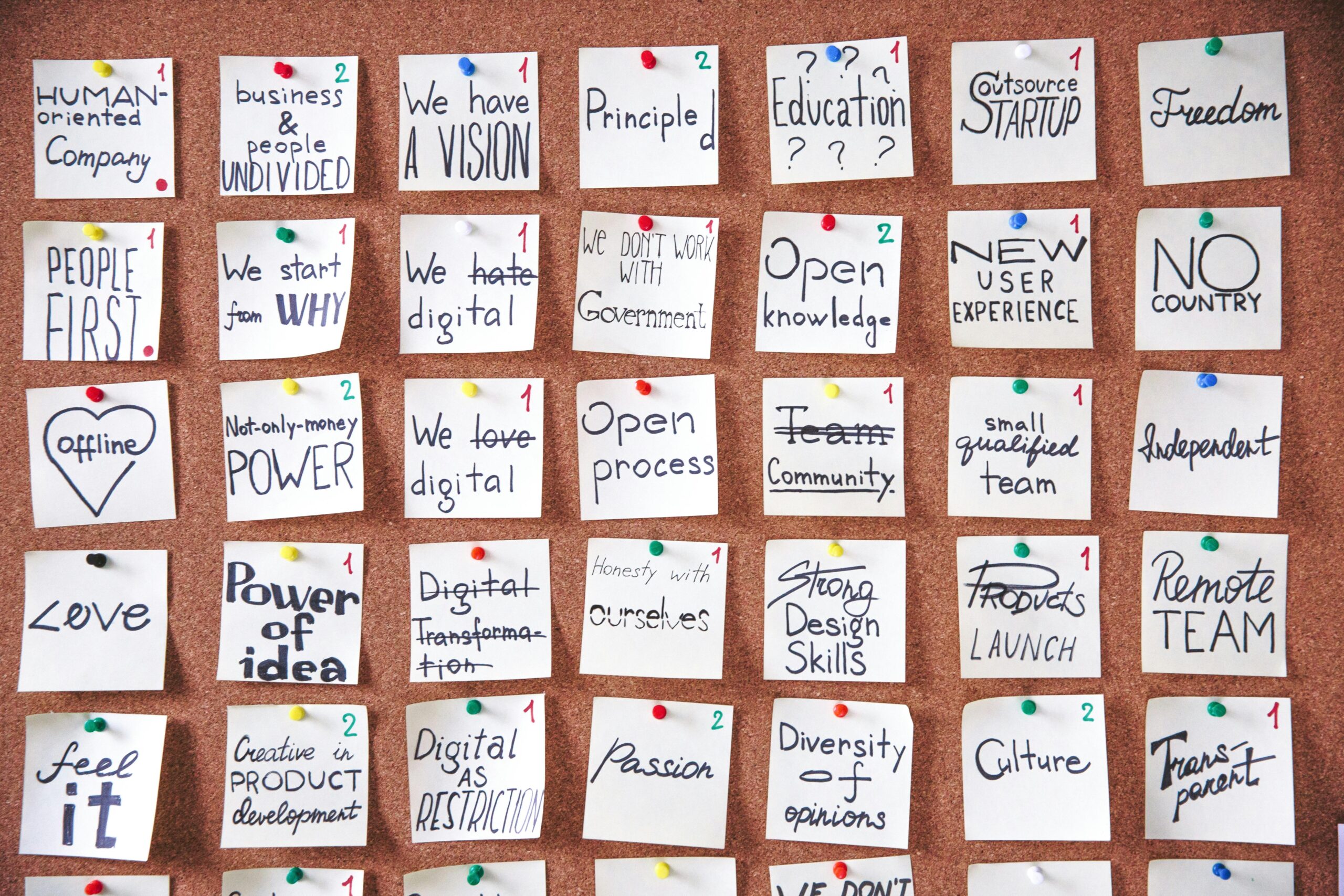
Cultural context modeling represents a transformative approach to understanding how diverse communities interact, communicate, and thrive in our interconnected world. 🌍

In an era where globalization has brought people from vastly different backgrounds into closer contact than ever before, the need to understand and navigate cultural differences has become paramount. Cultural context modeling emerges as a sophisticated framework that helps organizations, communities, and individuals decode the complex layers of meaning embedded in cultural interactions. This approach goes beyond surface-level observations to examine the underlying values, beliefs, and assumptions that shape how people perceive and respond to their environment.
The significance of this methodology extends far beyond academic interest. In today’s workplaces, educational institutions, and social spaces, the ability to model and understand cultural contexts directly impacts success, harmony, and innovation. As societies become increasingly multicultural, the capacity to recognize and respect different cultural frameworks becomes not just a competitive advantage but a fundamental requirement for effective collaboration and peaceful coexistence.
🔍 What Cultural Context Modeling Actually Means
Cultural context modeling is the systematic process of identifying, analyzing, and representing the cultural factors that influence human behavior, communication, and decision-making. Unlike traditional cultural awareness training, which often relies on stereotypes and generalizations, this approach develops dynamic models that account for the complexity and fluidity of cultural identity.
At its core, cultural context modeling recognizes that culture is not a static entity but a living, breathing system of meanings that evolves over time. It considers multiple dimensions of cultural influence, including national origin, ethnicity, religion, socioeconomic status, education, gender identity, age, and professional background. These intersecting identities create unique cultural contexts for each individual, making one-size-fits-all approaches inadequate.
The modeling process involves collecting qualitative and quantitative data about cultural practices, values, and communication styles. This information is then organized into frameworks that help predict potential misunderstandings, identify opportunities for cross-cultural synergy, and design inclusive policies and practices. The models serve as living documents that are continuously refined as new insights emerge and cultural dynamics shift.
The Historical Evolution of Cultural Understanding
The journey toward sophisticated cultural context modeling has been long and marked by significant paradigm shifts. Early anthropological studies in the 19th and early 20th centuries often approached cultural differences through a colonial lens, categorizing societies as “primitive” or “civilized.” This problematic framework caused immense harm and reflected the biases of its time.
The mid-20th century brought important advances through the work of anthropologists like Edward T. Hall, who introduced concepts such as high-context and low-context communication cultures. Hall’s research highlighted how different societies encode and transmit information differently, with some relying heavily on implicit contextual cues while others prefer explicit verbal communication.
Geert Hofstede’s cultural dimensions theory in the 1980s provided another influential framework, identifying measurable dimensions along which national cultures vary, including power distance, individualism versus collectivism, and uncertainty avoidance. While valuable, these early models faced criticism for treating national boundaries as proxies for cultural boundaries and for oversimplifying complex cultural realities.
Contemporary cultural context modeling has evolved to embrace complexity, intersectionality, and individual agency. Modern approaches recognize that people navigate multiple cultural contexts simultaneously and that cultural identity is performative and situational rather than fixed and predetermined.
🎯 Key Components of Effective Cultural Context Models
Building robust cultural context models requires attention to several critical components that work together to create comprehensive understanding.
Values and Belief Systems
At the foundation of any cultural context model lies an understanding of core values and beliefs. These deep-seated principles guide behavior and judgment, often operating below conscious awareness. Values related to family structure, work ethic, religious or spiritual beliefs, environmental stewardship, and social responsibility vary dramatically across cultures and significantly influence how people approach problems and relationships.
Effective models map these value systems without judgment, recognizing that different cultural values represent legitimate alternative approaches to human organization rather than superior or inferior worldviews. This value-neutral stance is essential for genuine cultural understanding and respect.
Communication Patterns and Preferences
Communication styles constitute another crucial dimension of cultural context modeling. Beyond language differences, cultures vary in their preferences for direct versus indirect communication, formal versus informal interactions, and verbal versus nonverbal expression. Understanding these patterns helps prevent misinterpretations and facilitates more effective cross-cultural dialogue.
Some cultures value harmony and face-saving to such a degree that direct disagreement is considered rude, while others prize frankness and view indirect communication as dishonest or inefficient. Neither approach is inherently better; they simply reflect different cultural priorities and require adaptive strategies when cultures interact.
Power Structures and Hierarchy
Different cultures organize social and professional relationships along varying hierarchical lines. Some societies maintain strict hierarchies based on age, position, or social status, while others embrace more egalitarian structures. These differences manifest in workplace dynamics, educational settings, and family relationships.
Cultural context models that accurately capture these power dynamics help organizations design management structures, decision-making processes, and communication protocols that respect diverse preferences while maintaining effectiveness and equity.
Time Orientation and Temporal Values
Cultures conceptualize and value time differently, with some emphasizing punctuality, schedules, and linear progression, while others adopt more flexible, cyclical, or event-driven approaches to time. These differences affect everything from meeting management to project planning and deadline adherence.
Understanding temporal cultural values prevents frustration and conflict in cross-cultural collaborations. What one culture might interpret as disrespectful lateness, another views as natural flexibility. Effective models help bridge these gaps through explicit negotiation of temporal expectations.
💼 Practical Applications in Organizational Settings
The business world has emerged as a primary beneficiary of sophisticated cultural context modeling. Global companies operating across multiple countries and serving diverse customer bases require nuanced cultural intelligence to succeed.
Enhancing Team Performance
Diverse teams consistently outperform homogeneous ones in creativity and problem-solving, but only when cultural differences are effectively managed. Cultural context models help team leaders anticipate potential friction points, leverage diverse perspectives strategically, and create inclusive team norms that allow all members to contribute fully.
For example, a team combining members from high-context Asian cultures with those from low-context Western cultures might struggle if communication expectations remain implicit. By modeling these differences explicitly, teams can establish hybrid communication protocols that accommodate different comfort levels and ensure clarity without causing discomfort.
Refining Marketing and Customer Experience
Marketing failures due to cultural misunderstandings have become legendary cautionary tales in business education. Cultural context modeling helps companies avoid costly mistakes by ensuring that products, services, messaging, and customer interactions align with target audiences’ cultural values and preferences.
Beyond avoiding offense, sophisticated cultural modeling enables companies to create authentic connections with diverse customer segments. This goes far deeper than translation services, encompassing visual design, user experience, customer service protocols, and brand positioning that resonates with specific cultural contexts.
Supporting Global Mobility and Expatriate Success
Companies sending employees on international assignments face significant risks of assignment failure due to cultural adjustment challenges. Cultural context modeling informs predeparture training, ongoing support, and repatriation processes that increase expatriate success rates and satisfaction.
These models help expatriates develop realistic expectations, identify potential cultural challenges, and build adaptive strategies before departure. They also help host-country teams understand and support their international colleagues, creating more welcoming and productive environments.
🏫 Educational Contexts and Cultural Learning
Educational institutions face unique challenges and opportunities in applying cultural context modeling. As student populations become increasingly diverse, schools and universities must create learning environments where all students can thrive regardless of cultural background.
Cultural context modeling informs curriculum design, ensuring that content reflects diverse perspectives and historical narratives rather than presenting a single cultural viewpoint as universal truth. It also guides pedagogical approaches, recognizing that learning styles and classroom participation norms vary culturally.
For instance, students from cultures that emphasize collective harmony may feel uncomfortable with confrontational debate formats common in Western educational settings, while students from individualistic cultures may chafe at collaborative grading systems. Models that account for these preferences help educators design inclusive learning experiences that challenge students appropriately while respecting cultural values.
International education programs particularly benefit from cultural context modeling, helping study abroad students prepare for immersion experiences and supporting international students’ adjustment to new educational systems. These models reduce culture shock, accelerate adaptation, and enhance intercultural learning outcomes.
⚖️ Navigating Ethical Considerations and Potential Pitfalls
Despite its benefits, cultural context modeling carries ethical risks that practitioners must navigate carefully. The most significant danger is reifying stereotypes under the guise of cultural understanding. When models treat cultural categories as deterministic rather than probabilistic, they can reinforce harmful generalizations and limit individual agency.
Effective cultural context modeling must always maintain space for individual variation and resist essentializing cultural groups. The models should describe tendencies and patterns while acknowledging that individuals may align with, reject, or selectively adopt various aspects of their cultural heritage.
Another ethical concern involves power dynamics in who creates cultural models and for what purposes. Historically, dominant groups have often defined and modeled minority cultures in ways that served colonial, commercial, or political interests. Contemporary practice must center the voices of cultural insiders and subject models to critical examination for bias and power imbalances.
Privacy considerations also emerge when collecting cultural data, particularly in organizational settings. Employees may feel uncomfortable disclosing cultural identities or practices, especially in contexts where discrimination remains prevalent. Cultural data collection must be voluntary, confidential, and clearly connected to legitimate diversity and inclusion goals rather than surveillance or profiling.
🔧 Building Your Own Cultural Context Understanding
While organizations may invest in sophisticated modeling systems, individuals can develop their own cultural context awareness through intentional practice and reflection. This personal cultural intelligence enhances both professional effectiveness and personal relationships in diverse settings.
The journey begins with examining your own cultural assumptions and recognizing that your perspective is culturally conditioned rather than objectively true. This self-awareness creates openness to alternative worldviews and reduces the tendency to judge unfamiliar practices as wrong or inferior.
Active listening and curiosity form the foundation of cultural learning. Rather than making assumptions, ask thoughtful questions about cultural practices and meanings. Approach these conversations with genuine interest rather than judgment, creating safe spaces for cultural exchange and learning.
Seeking diverse experiences and perspectives accelerates cultural learning. This might involve reading literature from different cultures, consuming media produced by diverse creators, traveling thoughtfully, participating in cultural events, or building authentic relationships across cultural boundaries. Each experience adds nuance to your internal cultural context model.
Reflection practices help consolidate cultural learning. After cross-cultural interactions, take time to consider what went well, what felt challenging, and what assumptions were confirmed or challenged. This metacognitive process transforms experiences into lasting cultural intelligence.
🌐 Technology’s Role in Cultural Context Modeling
Emerging technologies are transforming how we develop and apply cultural context models. Artificial intelligence and machine learning can analyze vast amounts of cultural data, identifying patterns and relationships that human observers might miss. Natural language processing helps decode cultural communication styles, while sentiment analysis reveals cultural differences in emotional expression.
However, technology also introduces new risks. Algorithmic bias can encode and amplify cultural stereotypes when training data reflects historical prejudices or when development teams lack cultural diversity. Technology companies increasingly recognize the need for cultural context modeling in AI development to prevent discrimination and ensure that systems serve diverse user populations effectively.
Virtual and augmented reality technologies offer exciting possibilities for experiential cultural learning, allowing people to virtually experience different cultural contexts and practice cross-cultural interactions in low-stakes environments. These immersive technologies may accelerate cultural learning and empathy development in ways that traditional methods cannot achieve.
Measuring Success and Continuous Improvement
Organizations investing in cultural context modeling need metrics to assess effectiveness and guide refinement. Traditional diversity metrics like representation percentages provide limited insight into whether cultural understanding has actually improved.
More meaningful indicators include employee engagement scores across demographic groups, retention rates for diverse talent, incident reports of cultural conflict or discrimination, cross-cultural collaboration effectiveness, and innovation metrics that reflect whether diverse perspectives are being leveraged.
Qualitative assessments through focus groups, interviews, and cultural audits provide rich insights into how well cultural context models reflect lived experiences and where gaps exist. These assessments should occur regularly, as cultural dynamics within organizations shift over time.
Continuous improvement requires treating cultural context models as hypotheses to be tested rather than fixed truths. Encouraging feedback, admitting mistakes, and demonstrating genuine commitment to cultural learning creates organizational cultures where cultural intelligence can flourish.

🚀 The Future of Cultural Context Modeling
As our world becomes increasingly interconnected and diverse, cultural context modeling will only grow in importance. The next generation of models will likely embrace even greater complexity, accounting for digital culture, generational differences, neurodiversity, and the emergence of transnational cultural identities that transcend geographic boundaries.
Climate change and resource scarcity will create new migration patterns and cultural intersections, requiring adaptive models that can accommodate rapidly changing demographics. Remote work technologies enable geographically distributed teams that blend multiple cultural contexts simultaneously, demanding new approaches to virtual cultural intelligence.
Education systems are beginning to integrate cultural context modeling into core curricula, recognizing that cultural intelligence represents an essential literacy for 21st-century citizens. Young people growing up with these frameworks may develop more sophisticated cultural awareness than previous generations, creating hope for more inclusive and peaceful societies.
The ultimate promise of cultural context modeling lies not in creating complete cultural understanding—an impossibly ambitious goal—but in fostering humble curiosity, reducing harmful misunderstandings, and creating spaces where diverse communities can collaborate effectively toward shared goals while maintaining their distinctive cultural identities. In a world facing complex global challenges from climate change to public health crises, this capacity for cross-cultural cooperation may prove essential to human flourishing and survival.
As we continue to refine our approaches to cultural context modeling, the emphasis must remain on human dignity, equity, and the recognition that cultural diversity represents one of humanity’s greatest strengths. When we model cultural contexts not to control or predict but to understand and appreciate, we unlock possibilities for innovation, creativity, and connection that homogeneous perspectives simply cannot achieve. The heart of diversity and inclusion beats strongest when we approach cultural differences with both rigorous analytical frameworks and genuine human compassion. 💚